
Bar Crawl Buddies Don’t Actually Keep You Safer Than Going Solo If You Ignore These Critical Mistakes
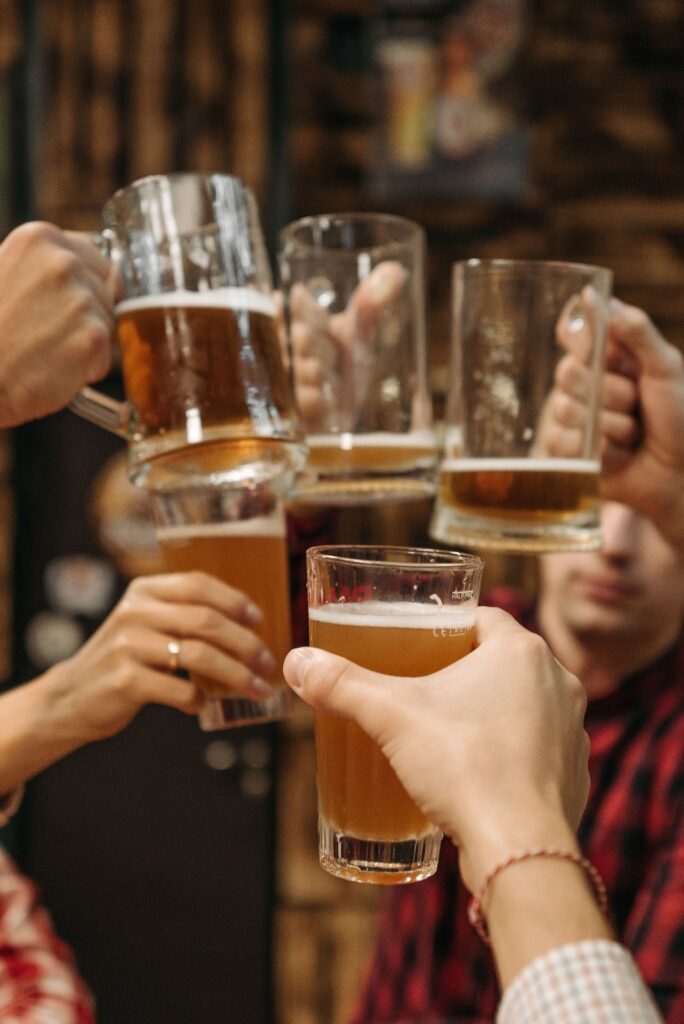
There’s something undeniably comforting about heading out for a night on the town with a group of friends. You’ve got your crew, you’ve got your plan, and somewhere in the back of your mind, you’ve got this warm, fuzzy feeling that everything is going to be just fine because — hey — there’s safety in numbers, right?
Well, not exactly. And if you’re planning a bar crawl through Boston’s legendary nightlife scene — think the electric energy of Faneuil Hall, the cozy pubs of Beacon Hill, or the buzzing bars along Lansdowne Street — this is something you genuinely need to hear before you lace up your shoes and head out the door.
The truth is, having bar crawl buddies can absolutely make your night safer, more fun, and more memorable. But only if everyone in your group is actually paying attention and avoiding some surprisingly common — and surprisingly dangerous — mistakes. Ignore those mistakes, and your group of five might actually be no safer than going solo. In some cases, it can even be worse.
This article is your friendly, honest guide to making sure your Boston bar crawl is everything it should be: a blast, a bonding experience, and most importantly, a safe one. We’re going to walk through the critical mistakes that groups make all the time, and show you exactly how to avoid them. Whether you’re a local heading out for a birthday weekend or a visitor exploring Boston’s incredible bar scene for the first time, this one’s for you.
Why the “Safety in Numbers” Myth Can Actually Be Dangerous
Let’s start by unpacking the assumption itself. Most of us grew up hearing that going out in groups is safer than going alone. And in many contexts, that’s absolutely true. But when it comes to bar crawls — where alcohol is involved, venues change frequently, and the night gets progressively longer — the group dynamic can create a false sense of security that leads people to take risks they wouldn’t otherwise take.
Psychologists call this phenomenon “diffusion of responsibility.” When you’re in a group, everyone assumes someone else is keeping an eye out. Everyone assumes someone else is making sure no one gets left behind. Everyone assumes someone else noticed that their friend had a few too many. And because everyone assumes this, no one actually does it.
“The bigger the group, the easier it is to assume someone else has it handled. But on a bar crawl, that assumption can put people in real danger.”
Add alcohol into the mix, and you’ve got a recipe for collective blind spots. Judgment gets impaired across the whole group simultaneously. People get separated. Phones die. And suddenly, that safety net you thought you had is full of holes.
The good news? Every single one of these problems is preventable. You just have to know what to look for.
Critical Mistake #1: Not Having a Designated Group Leader
This is probably the most common mistake groups make, and it’s also one of the most impactful. Heading into a bar crawl without a clear point person means that no one is ultimately responsible for keeping the group together, tracking everyone’s wellbeing, or making judgment calls when things get complicated.
What a Good Group Leader Actually Does
A group leader doesn’t have to be bossy or controlling — they just need to be the person who’s paying a little extra attention. Their job includes things like doing a headcount when the group moves from one bar to the next, keeping track of who’s had how much to drink, and being the designated “sober enough to make good decisions” person for the evening.
Ideally, this person either drinks less than the rest of the group or agrees to stay sober for the night. If you’re doing a proper bar crawl through multiple venues in Boston — say, starting in the South End and working your way toward Downtown Crossing — having someone who’s clear-headed enough to navigate, communicate with bar staff, and respond to emergencies is genuinely invaluable.
How to Choose Your Group Leader
This conversation should happen before anyone has a single drink. Talk about it over dinner, or in the rideshare on the way to your first stop. Ask for a volunteer. Rotate the role if you plan on doing multiple bar crawls throughout the season. The point is that it should be an intentional, explicit decision — not something that gets assumed or forgotten about.
Critical Mistake #2: Failing to Establish a Meeting Point and Check-In Plan
Boston is a wonderful city for bar crawls precisely because its neighborhoods are so distinct and walkable. But that also means it’s very easy for groups to get fragmented, especially when you’re moving between venues on a busy Friday or Saturday night.
What happens when someone steps outside for air and the group moves on to the next bar? What happens when two people go to the bathroom and come back to an empty table? Without a clear plan, these small moments of separation can turn into genuinely stressful — and potentially unsafe — situations.
Setting Up Your Meeting Point System
Before you leave for the night, agree on a specific meeting point at each venue you plan to visit. It doesn’t have to be complicated — it can be as simple as “if we get separated, meet by the front entrance.” Make sure everyone in the group knows the name and address of each bar on your itinerary, not just the first one.
Also agree on a check-in system. A simple group text every time the group moves to a new location can make a huge difference. It sounds almost too simple, but you’d be amazed how many groups skip this step and end up spending twenty minutes trying to track down a missing friend via a frantic series of phone calls.
Using Technology to Stay Connected
Apps like Google Maps’ location sharing feature or Find My Friends can be a lifesaver on a bar crawl. Set it up before you leave the house, while everyone still has a full phone battery and clear enough heads to navigate the settings. This is especially helpful in a city like Boston, where the street layout in older neighborhoods can be genuinely confusing, even for locals.
Critical Mistake #3: Ignoring the Buddy System Within the Group
Here’s a counterintuitive truth: a group of eight people is not necessarily safer than a group of two. In fact, large groups can be harder to manage, more prone to fragmentation, and more likely to suffer from that diffusion of responsibility we talked about earlier.
The solution? The buddy system. Pair everyone up at the start of the night and make each pair responsible for each other. This is especially important for groups that include people who don’t know each other well — like when two friend groups merge for a combined birthday celebration, which happens all the time on Boston bar crawls.
What the Buddy System Looks Like in Practice
Each pair checks in with each other when moving between venues. Each person knows their buddy’s phone number by heart (or has it saved under a name they’ll actually recognize on a busy, noisy night). If one buddy wants to leave early, they don’t just disappear — they let their buddy know and make sure their buddy is okay with the plan or has someone else to look after them.
It sounds simple because it is. But it works remarkably well, and it distributes the responsibility of looking out for each other in a way that doesn’t overwhelm any single person.
Critical Mistake #4: Not Setting a Drink Pace — and Sticking to It
One of the most underrated dangers of a bar crawl is the cumulative effect of alcohol over a long night. When you’re moving from venue to venue, it’s easy to lose track of how much you’ve had. You might feel fine at bar three, but by bar five, things can change quickly.
Group dynamics make this worse. There’s social pressure to keep up with the fastest drinkers in the group. There’s the excitement of a new venue that makes you want to celebrate with a fresh round. And there’s the fact that alcohol impairs your ability to accurately assess your own level of intoxication — which means the people who most need to slow down are often the least aware of it.
Creating a Sustainable Pace for the Whole Night
Talk about pace before you go out. Decide together how many drinks per venue feels right, and agree to check in with each other about how everyone’s doing. Encourage water breaks — most bars in Boston are happy to provide water, and many of the better-run establishments will proactively offer it.
Eating before and during the crawl is also crucial. If you’re doing a bar crawl in Boston’s incredible food scene, take advantage of it. Many neighborhoods like the North End or the South End have amazing spots where you can grab food between bars. A full stomach slows alcohol absorption significantly and helps keep everyone in better shape for the full night.
Looking Out for Signs That Someone Has Had Too Much
Know the signs: slurred speech, loss of balance, confusion, mood changes, or someone becoming unusually quiet or withdrawn. If you notice these in a member of your group, it’s time to step in — kindly, but firmly. This is where having a group leader and a buddy system really pays off. Someone who’s keeping an eye on the group as a whole is much more likely to catch these signs early.
“Looking out for your friends on a bar crawl isn’t about being the fun police. It’s about making sure everyone gets home safely so you can all do it again.”
Critical Mistake #5: Splitting Up Without a Clear Plan
Splitting up is sometimes inevitable on a bar crawl. Maybe half the group wants to hit a dance club and the other half prefers a quieter bar. Maybe someone needs to leave early. These situations are totally normal, and there’s nothing wrong with them — as long as everyone has a clear plan.
The dangerous version is when splitting up happens spontaneously, without communication, and without making sure everyone has what they need to get home safely. Someone wanders off, assumes they’ll catch up with the group later, and ends up alone in an unfamiliar part of the city with a dying phone battery.
How to Split Up Safely
If the group is going to divide, make sure each sub-group has at least three people (two is better than one, but three provides more redundancy). Make sure everyone has a way to get home independently — whether that’s knowing how to use the MBTA, having the Uber app set up on their phone, or having a trusted contact they can call for a pickup.
Also, do a final check before splitting: Does everyone have their phone? Is it charged? Does everyone have their ID and enough cash or a working card? These sound like basic things, but they’re exactly the kinds of details that get overlooked in the excitement of a big night out.
Critical Mistake #6: Trusting Strangers Without Appropriate Caution
Bar crawls are social events, and part of the joy is meeting new people. Boston’s bar scene is full of friendly locals and visitors who are out to have a good time, and most interactions with strangers are completely harmless and even wonderful.
But groups sometimes develop a collective lowering of their guard that can create vulnerability. When you’re in a big, happy group, you might be more likely to accept drinks from strangers, invite new acquaintances back to a private venue, or let someone you just met join your group without much thought.
Staying Social While Staying Smart
This isn’t about being paranoid or unfriendly — it’s about being thoughtful. Accept drinks only from bartenders or servers you’ve watched pour them. If someone new joins your group, make sure at least two or three people in your group know who they are and where they came from. Trust your instincts: if something feels off, it probably is, and your group should have a code word or signal that means “I’m uncomfortable, let’s move on.”
Look out especially for anyone in your group who seems to be getting extra attention from a stranger they just met. Not all of that attention is welcome, and sometimes people need a friend to step in and create an exit.
Critical Mistake #7: Not Having a Transportation Plan Before You Leave
This one seems obvious, but it’s skipped more often than you’d think. Boston has excellent public transit in the form of the MBTA — the T — but it stops running around midnight or 1 AM depending on the line. If your bar crawl is going to run past that, you need a backup plan.
Rideshare apps are great, but they can surge dramatically in price on busy weekend nights, especially in high-demand areas like Fenway or Downtown. And if everyone in your group is trying to book a ride at the same time at the end of the night, you might find yourself waiting longer than expected in the cold Boston air.
Planning Your Ride Home
Decide before you go out how everyone is getting home. If you’re splitting into multiple rideshares, designate who’s booking for whom. If some people are taking the T, make sure they know the last train times for their line. If someone is designated to drive, they need to be committed to not drinking — no exceptions, no “I’m fine, I only had a couple.”
It’s also worth having a backup contact — a friend or family member who isn’t going out that night — who knows your general itinerary and can be called in case of emergency. This is especially important for visitors who are less familiar with Boston’s layout and transportation options.
How Organized Bar Crawls Can Help You Avoid These Mistakes
One of the best ways to sidestep many of these pitfalls is to participate in an organized bar crawl rather than trying to plan everything yourself. This is where a service like Barcrawlerz really shines. Rather than leaving all the logistics to a group of people who are progressively getting less equipped to handle logistics as the night goes on, you hand the organizational heavy lifting to professionals who do this all the time.
Barcrawlerz organizes bar crawls in Boston that take the guesswork out of the evening. The route is planned, the venues are vetted, and there’s built-in structure that helps keep groups together and on track. When you join an organized crawl, you also benefit from the presence of experienced hosts who know the city, know the bars, and know how to handle the unexpected situations that can arise on a big night out.
For visitors to Boston especially, this kind of guided experience is invaluable. You get to experience the best of the city’s bar scene — from the historic taverns of the North End to the trendy cocktail bars of the South End — without having to worry about navigation, reservations, or whether the next bar on your list is even worth visiting.
The Social Benefits of Organized Bar Crawls
There’s also a social dimension that makes organized crawls uniquely enjoyable. When you join a Barcrawlerz event, you’re not just going out with your existing friend group — you’re joining a larger community of people who are all there to have a great time. This creates a built-in social safety net that’s actually more robust than what a small private group can provide.
You’re more likely to have sober or less-intoxicated people around you at any given moment. You’re more likely to have someone notice if you seem off. And you’re more likely to have access to someone who knows the neighborhood and can help you navigate any situation that comes up.
Building a Bar Crawl Safety Culture Within Your Friend Group
Beyond any single night out, the best thing you can do is build a culture within your friend group where looking out for each other is just… normal. Where it’s not weird to ask someone how they’re doing. Where it’s not a buzzkill to suggest slowing down. Where everyone feels comfortable speaking up if something doesn’t feel right.
This kind of culture doesn’t happen automatically — it has to be cultivated. And the best time to start is before you go out, when everyone’s sober and in a good headspace to have an honest conversation about expectations and responsibilities.
Having the Pre-Crawl Conversation
It doesn’t have to be heavy or serious. Over dinner before you head out, just take five minutes to cover the basics: Who’s the point person tonight? What’s our meeting spot if we get separated? What’s everyone’s plan for getting home? Is there anyone who might need extra looking after tonight?
These conversations normalize the idea that safety is everyone’s responsibility, and they create the shared understanding that makes groups actually function as a safety net rather than just feeling like one.
Checking In After the Night
A simple group text the next morning — “Hey, everyone get home okay?” — is a small gesture that reinforces the culture of looking out for each other. It also gives people a chance to flag anything that might have gone wrong the night before, so you can learn from it before the next crawl.
Boston-Specific Tips for a Safe and Incredible Bar Crawl
Boston is one of the best cities in the country for a bar crawl, and it has some unique characteristics that are worth keeping in mind as you plan your night.
Know Your Neighborhoods
Different Boston neighborhoods have very different vibes. Faneuil Hall and the Financial District tend to attract a mix of tourists and after-work professionals. The Fenway area gets especially crowded on game nights. Allston and Brighton are popular with the college crowd. The South End is known for its upscale cocktail bars and LGBTQ+-friendly venues. Knowing what to expect from each neighborhood helps you plan a route that fits your group’s energy and preferences.
Weather and Walking Conditions
Boston weather can be unpredictable, and the city’s older neighborhoods have uneven sidewalks and cobblestones that can be challenging even when you’re completely sober. Wear comfortable, closed-toe shoes. Dress in layers. And if it’s winter, be especially mindful of ice — it can appear quickly and unexpectedly, and a combination of alcohol and icy cobblestones is not a good one.
Respecting the Local Bar Culture
Boston’s bars have their own culture, and the best experiences come when you’re a respectful, appreciative guest. Tip your bartenders well, be patient when bars are busy, and be mindful of the space you and your group are taking up. Bars that feel respected and appreciated are also bars that are more likely to go the extra mile to take care of you if something goes wrong.
Final Thoughts: Your Crew Is Only as Safe as Your Habits
At the end of the day, having bar crawl buddies is genuinely one of the best parts of a night out. There’s something irreplaceable about sharing an adventure with people you care about, discovering a new bar together, or ending the night laughing about something ridiculous that happened at stop number four.
But that wonderful experience is built on a foundation of real, intentional safety habits. Your crew doesn’t protect you automatically — they protect you when everyone is paying attention, when the right systems are in place, and when looking out for each other is treated as a shared responsibility rather than someone else’s job.
So the next time you’re planning a bar crawl through Boston — whether you’re doing it independently or joining an organized event through something like Barcrawlerz — take a few minutes to set yourself and your group up for success. Designate a leader. Establish a meeting point. Pair up with a buddy. Talk about pace. Plan your ride home.
Do those things, and your bar crawl buddies won’t just feel like a safety net — they’ll actually be one. And that’s what makes a truly great night out: not just fun, but the kind of fun you’ll still be smiling about for years to come.
Boston’s bar scene is waiting for you. Go enjoy it — wisely, warmly, and with the people who matter most.