
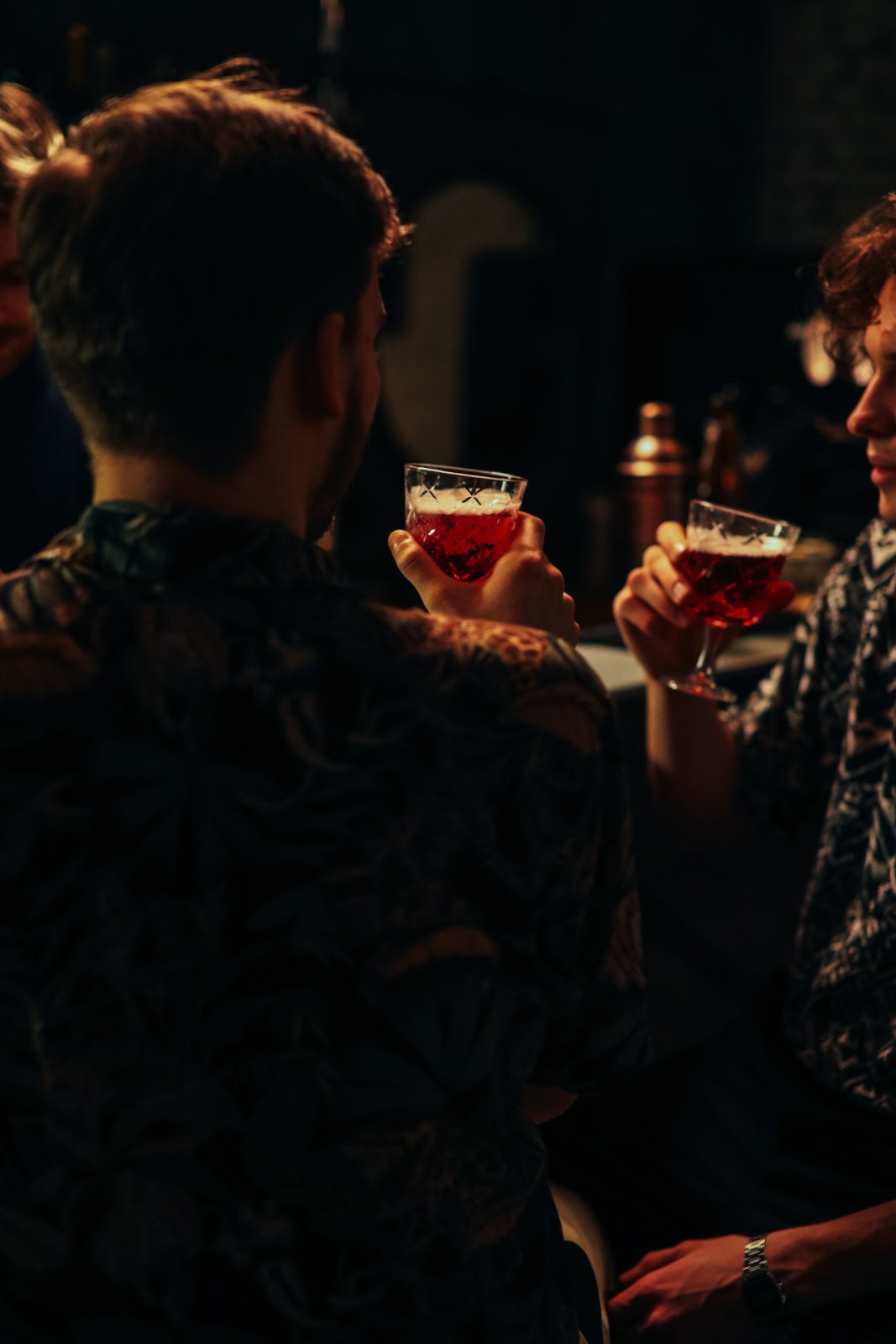
Boston is a city that wears its history proudly — from the cobblestone streets of Beacon Hill to the storied halls of Harvard Square. But when it comes to nightlife, most visitors and even some locals find themselves funneled into the same well-worn routes: Faneuil Hall, the Cheers bar on Beacon Street, or the predictable stops along a generic pub crawl. While those spots have their charm, Boston's true drinking culture runs much deeper, hiding in plain sight down narrow alleyways, beneath unassuming storefronts, and in neighborhoods that rarely make the tourist brochure.
If you're serious about experiencing Boston's authentic bar scene, it's time to go beyond the obvious. This guide will walk you through a comprehensive strategy for discovering underrated bars that locals actually love — the kind of places where the bartender knows your name by your second visit, the cocktail menu surprises you, and the atmosphere feels genuinely alive. Whether you're a Boston native looking to rediscover your city or a visitor who wants to drink like a local, these strategies will transform the way you explore nightlife.
Why Boston's Hidden Bar Scene Deserves Your Attention
Boston is one of America's oldest cities, and its bar culture reflects that layered history in fascinating ways. The city has everything from 19th-century dive bars that have survived gentrification to sleek craft cocktail lounges tucked into former industrial spaces. Yet the majority of tourist-facing content pushes people toward the same dozen or so establishments that have mastered the art of visibility rather than quality.
The hidden gems of Boston's bar scene tend to share a few common traits: they rely on word-of-mouth rather than aggressive marketing, they serve a fiercely loyal local clientele, and they often offer something genuinely distinctive — whether that's a hyper-local beer selection, a cocktail program built around seasonal New England ingredients, or a vibe that can't be manufactured or replicated.
"The best bars in any city are the ones that weren't built for you to find them. They were built for the people who already live there."
That philosophy rings especially true in Boston, where neighborhood identity is everything. South Boston, Jamaica Plain, Somerville, East Boston, and Allston all have their own distinct drinking cultures that rarely overlap with what tourists experience. Understanding this geography is your first step toward discovering something real.
Step One: Rethink Your Neighborhoods
Most pub crawls in Boston are concentrated in a handful of high-traffic areas. To find the hidden gems, you need to expand your mental map of the city and start thinking about neighborhoods that don't typically appear on tourist itineraries.
Jamaica Plain: Boston's Most Underrated Drinking Neighborhood
Jamaica Plain — affectionately known as "JP" by locals — is a vibrant, eclectic neighborhood that has long been a hub for artists, activists, and independent business owners. Its bar scene reflects that diversity beautifully. You'll find everything from cozy neighborhood taverns to craft beer bars with rotating tap lists that would make any beer enthusiast weep with joy. The area around Centre Street is particularly rich with options that cater almost exclusively to locals.
JP is also home to the Samuel Adams Brewery, which draws visitors, but the smaller establishments surrounding it rarely get the same attention. Spend an afternoon wandering Centre Street and you're likely to stumble upon exactly the kind of low-key, high-quality bar experience that makes Boston's drinking scene special.
East Boston: A Neighborhood on the Rise
East Boston, separated from downtown by the harbor and accessible via a quick T ride, has undergone a remarkable transformation over the past decade. Its bar scene is a mix of longstanding neighborhood institutions and newer, more ambitious establishments that have been drawn by lower rents and a community hungry for quality options. The bars here tend to be unpretentious, welcoming, and refreshingly free of the performative quality that can plague trendier neighborhoods.
Allston: Where the Night Actually Starts
Allston has a reputation as a college neighborhood, and while that's not entirely unfair, it undersells the genuine character of the area's bar scene. Alongside the standard dive bars beloved by students, you'll find spots with serious craft beer programs, bars that host local musicians without charging a cover, and neighborhood watering holes that have been serving the same community for decades. The key is knowing which establishments have depth beyond the surface-level party atmosphere.
Step Two: Use the Right Research Tools
Finding hidden gem bars requires a different research approach than simply Googling "best bars in Boston." The most popular results are almost always the most heavily marketed, not necessarily the most deserving of your time. Here's how to dig deeper.
Go Beyond the First Page of Search Results
When you're searching for bars online, make a habit of going to the second and third pages of search results. The bars that appear there haven't invested in SEO or advertising — they've simply been doing their thing and occasionally getting mentioned by someone who discovered them organically. These mentions are often more trustworthy precisely because they weren't solicited.
Use Neighborhood-Specific Subreddits and Forums
Reddit's Boston community (r/boston) is an invaluable resource for finding bars that locals actually frequent. When you ask for bar recommendations on these forums, you'll get answers that reflect genuine local knowledge rather than sponsored content. Be specific in your questions — ask about bars in particular neighborhoods, or bars that specialize in certain types of drinks, and you'll get much more useful responses.
Follow Local Food and Drink Writers
Boston has a thriving community of food and drink journalists and bloggers who cover the local scene with genuine expertise. Publications like Boston Magazine, Eater Boston, and The Boston Globe's food section regularly feature smaller, independent establishments that don't have the marketing budgets to appear on mainstream travel sites. Following these writers on social media can give you a real-time feed of new openings and under-the-radar recommendations.
Leverage Structured Experiences as a Starting Point
Organized pub crawl experiences can actually serve as a useful entry point into a city's bar scene, provided you choose the right one. Services like Barcrawlerz are worth considering because they often curate experiences that go beyond the obvious tourist stops, connecting participants with a range of venues across different neighborhoods. The key is to use these experiences not as an endpoint but as a launching pad — pay attention to the areas you pass through, note the bars you didn't stop at, and make plans to return and explore on your own terms.
Step Three: Learn to Read a Bar's Character Before You Walk In
One of the most valuable skills you can develop as a bar explorer is the ability to assess an establishment's character from the outside. This isn't about judging a book by its cover — it's about reading the genuine signals that tell you whether a bar has authentic local roots or has been designed primarily for transient visitors.
Look at the Signage
Bars that have been around for a long time often have signage that shows its age — and that's a good thing. Weathered neon signs, hand-painted lettering, and modest exterior presentations are often indicators of an establishment that has survived on quality and community loyalty rather than aesthetic appeal. Conversely, bars with elaborate, Instagram-optimized exteriors are often more focused on attracting a certain type of customer than on delivering a genuine experience.
Check the Windows
A bar with windows that let you see inside is generally a good sign. It suggests the establishment has nothing to hide and is comfortable with passersby getting a glimpse of the atmosphere. If you can see locals sitting at the bar having genuine conversations with the bartender, that's an excellent indicator. If the interior looks staged or the clientele appears to be primarily tourists, adjust your expectations accordingly.
Observe the Surrounding Neighborhood
A bar that exists within a genuinely residential neighborhood — surrounded by laundromats, corner stores, and local restaurants rather than souvenir shops and chain hotels — is almost always going to have a more authentic local character. In Boston, this means looking for bars in areas like Roslindale, West Roxbury, or the residential parts of Dorchester, where the clientele is drawn from the surrounding community rather than from hotel lobbies.
Step Four: Master the Art of the Conversation
The single most effective tool for discovering hidden gem bars is also the most old-fashioned: talking to people. Boston is a city with strong neighborhood loyalties, and locals are generally happy to share their favorite spots with someone who approaches them with genuine curiosity and respect.
Talk to Bartenders at Your Current Location
When you're at a bar you enjoy, ask the bartender where they go on their nights off. This is one of the most reliable methods for getting authentic recommendations, because bartenders tend to frequent establishments with high standards — they know what good service looks like, they appreciate quality drink programs, and they gravitate toward places that feel real rather than manufactured.
"Ask a bartender where they drink. It's the most honest recommendation you'll ever get."
Strike Up Conversations with Regular Patrons
The regulars at a neighborhood bar are an encyclopedia of local knowledge. If you're sitting at the bar and someone next to you seems friendly, don't be afraid to ask them what their other favorite spots are in the city. Most people are flattered to be asked for their local expertise and will give you recommendations that no travel guide would ever publish.
Talk to Service Industry Workers Outside of Bars
Restaurant servers, coffee shop baristas, and hotel concierges who actually live in Boston (rather than working in tourism-focused roles) often have excellent bar recommendations. Ask your server at a local restaurant where they like to go after their shift ends. The answer will almost certainly lead you somewhere worth visiting.
Step Five: Develop a Systematic Exploration Approach
Discovering hidden gems isn't just about luck — it requires a systematic approach that maximizes your chances of finding something extraordinary. Here's a framework that works particularly well in a city like Boston.
The Block-by-Block Method
Pick a neighborhood you haven't explored before and simply walk it block by block, making note of every bar you see. Don't go into any of them immediately — just observe. Look at the signage, the clientele, the hours posted on the door. After you've surveyed the area, go back and prioritize the establishments that showed the most promising signs of authenticity. This method is especially effective in neighborhoods like Somerville's Union Square or Cambridge's Inman Square, where interesting bars can be found on almost every block.
The Off-Hours Visit
Visit potential hidden gems during off-peak hours — early afternoon on a weekday, or right when they open on a weekend. This is when you'll see the bar in its most natural state, without the crowds and noise that can make it difficult to assess the atmosphere. It's also the best time to have a genuine conversation with the bartender and get a feel for what the place is really about.
The Return Visit Test
A truly great bar improves on the second visit. The bartender remembers you, the atmosphere feels familiar rather than foreign, and you start to understand the rhythms of the place. Make a habit of returning to promising spots before writing them off or fully endorsing them. Hidden gems reveal themselves over time, not all at once.
Boston-Specific Tips for Finding Under-the-Radar Bars
Boston has some unique characteristics that make bar exploration particularly rewarding — and occasionally challenging. Here are some city-specific tips that will help you navigate the scene more effectively.
Understand the Neighborhood Boundaries
Boston's neighborhoods are famously distinct from one another, and the bar culture shifts noticeably as you cross from one area to another. South Boston's bar scene has a very different character from the South End's, even though they're geographically close. Understanding these distinctions will help you target your exploration more effectively and set appropriate expectations for what you'll find.
Pay Attention to Last Call Laws
Massachusetts has relatively early last call laws compared to many other states — bars typically stop serving alcohol at 2 AM. This means the city's nightlife has a different rhythm than places like New York or Chicago. Many of the best hidden gem bars are at their most interesting earlier in the evening, when the crowd is a mix of after-work locals and serious drinkers rather than the late-night crowd that dominates more tourist-oriented establishments.
Explore the MBTA's Reach
Boston's public transit system — the T — makes it easy to explore neighborhoods that would otherwise require a car or expensive rideshare. The Green Line branches that extend into Brookline and Newton, the Orange Line's stops through Jamaica Plain and Roslindale, and the Blue Line's access to East Boston all open up bar scenes that most visitors never encounter. Make the T your exploration vehicle and you'll discover a version of Boston's nightlife that feels genuinely local.
Look for Bars with Local Sports Allegiances
Boston is one of America's most passionate sports cities, and bars that cater to local sports fans tend to have strong community ties. But there's a difference between the sports bars that cater to tourists and the ones where actual fans gather. Look for smaller establishments with mismatched furniture, handwritten specials boards, and the kind of crowd that clearly knows each other — these are the places where Boston's sports culture lives most authentically.
How Organized Pub Crawls Can Complement Your Hidden Gem Strategy
There's sometimes a perception that organized pub crawls and authentic bar exploration are mutually exclusive — that choosing one means abandoning the other. But the reality is more nuanced, and the smartest explorers know how to use structured experiences strategically.
Services like Barcrawlerz can provide genuine value as part of a broader exploration strategy, particularly for visitors who are new to Boston and want to get oriented quickly. A well-curated pub crawl introduces you to multiple venues in a single evening, gives you a sense of different neighborhoods and atmospheres, and — perhaps most importantly — connects you with other people who share your interest in the city's bar scene. Those connections can be the source of your best hidden gem recommendations going forward.
The key is to approach organized experiences with the right mindset. Rather than treating them as a complete experience in themselves, use them as reconnaissance. Pay attention to the areas you travel through, note the establishments you pass but don't enter, and use the conversations you have with fellow participants and local bartenders to build your own map of the city's hidden drinking culture.
"The best pub crawl is the one that teaches you enough to create your own."
Building Your Personal Hidden Gems Map
As you explore Boston's bar scene using these strategies, you'll gradually accumulate a personal map of hidden gems that reflects your own tastes and experiences. Here's how to make that map as useful as possible.
Keep Notes on Every Bar You Visit
Develop a simple system for documenting your bar visits — even just a note on your phone with the bar's name, location, what you ordered, and what made it memorable. Over time, this record becomes an invaluable resource that you can share with friends, revisit when planning future outings, and use to identify patterns in what you enjoy.
Rate Bars on Multiple Dimensions
Rather than giving a bar a simple thumbs up or thumbs down, try rating it on several dimensions: atmosphere, drink quality, service, price, and local character. A bar might score low on price but high on every other dimension, making it worth the occasional splurge. Another might be affordable and atmospheric but inconsistent in its drink quality. This nuanced approach helps you make better decisions about when and why to return to a particular spot.
Share Your Discoveries Thoughtfully
When you find a genuine hidden gem, be thoughtful about how you share it. Posting about a beloved neighborhood bar on a high-traffic social media account can sometimes do more harm than good, flooding a small establishment with more attention than it can handle and potentially changing the very character that made it special. Consider sharing your discoveries with friends and trusted networks rather than broadcasting them to the world.
The Ethical Dimension of Hidden Gem Exploration
There's an ethical dimension to bar exploration that doesn't get discussed enough. When you discover and frequent hidden gem bars, you're participating in the economic ecosystem of local small businesses — and that participation comes with some responsibilities.
Spend money generously at the places you love. Tip well, especially at smaller establishments where the staff often depends on gratuities. Don't treat a neighborhood bar like a tourist attraction — be respectful of the regulars, the culture, and the unwritten rules that govern the space. And if a bar asks you not to post about it on social media, honor that request. Some of Boston's best bars have deliberately stayed under the radar, and their owners prefer it that way.
Being a good guest at a hidden gem bar is also about recognizing that you're a visitor in someone else's community space. Approach these places with humility and genuine curiosity, and you'll be welcomed warmly. Approach them with entitlement or a sense that you've "discovered" something that was never yours to claim, and you'll find that Boston's bar community can be remarkably good at closing its doors to people who don't deserve to be there.
Final Thoughts: Boston's Bar Scene Rewards the Curious
Boston's hidden bar scene is one of the city's best-kept secrets — not because it's deliberately concealed, but because it rewards the kind of slow, curious, conversation-driven exploration that most visitors don't have the time or inclination to pursue. The bars that matter most in this city aren't the ones with the biggest marketing budgets or the most Instagram followers. They're the ones that have been quietly serving their communities for years, building the kind of loyalty that no advertising campaign can manufacture.
By rethinking your neighborhood geography, using smarter research tools, learning to read a bar's character, mastering the art of conversation, and developing a systematic exploration approach, you can access a version of Boston's nightlife that most people never experience. Whether you start with an organized experience through a service like Barcrawlerz or dive straight into neighborhood exploration on your own, the hidden gems are out there waiting to be found.
The journey is the point. Every wrong turn leads somewhere interesting. Every conversation at a bar you've never been to before is an opportunity to learn something about this remarkable city and the people who call it home. Boston's bar scene is, at its best, a living expression of the city's character — fiercely loyal, deeply historical, and always more interesting than it first appears.
So put down the tourist map, step off the pub crawl circuit, and start exploring. The best bar you've ever been to might be just around the corner from where you're standing right now — and the only way to find it is to go looking.