
What Happens to Your Body During a Bar Crawl and How to Stay Sharp Across Multiple Locations in Boston, MA
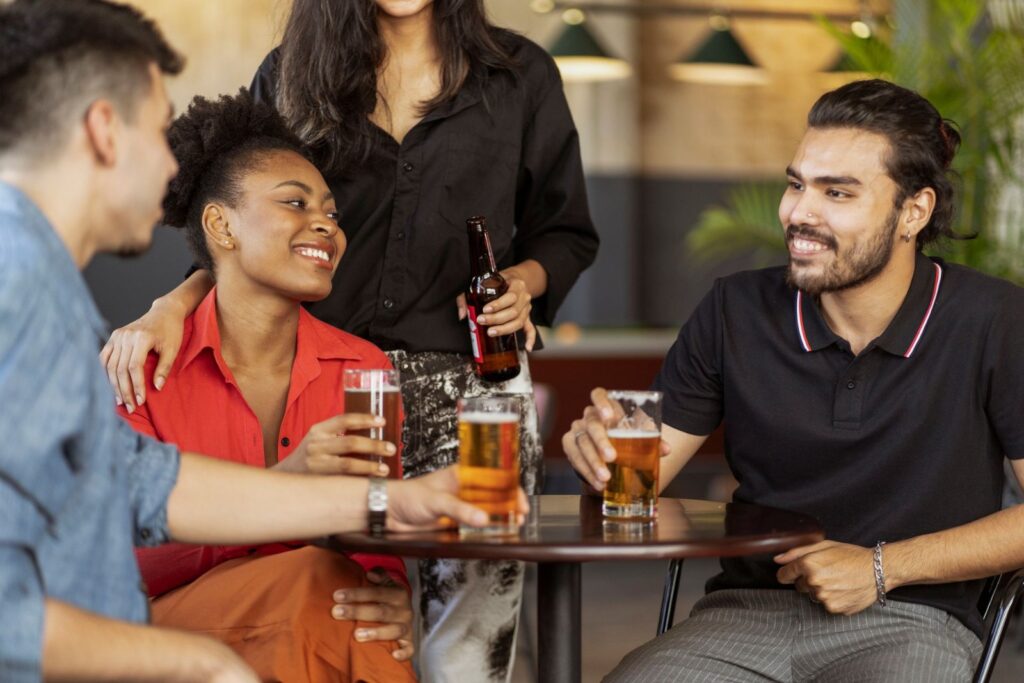
Boston is one of the most vibrant bar crawl cities in the entire country. From the cobblestone streets of Beacon Hill to the buzzing energy of Faneuil Hall and the legendary nightlife of Allston, there’s no shortage of incredible venues to explore on foot — drink in hand and friends by your side. But whether you’re tackling a self-guided pub crawl through the South End or joining an organized event with Barcrawlerz, one thing is absolutely certain: your body is going to go through quite a journey that night.
Understanding what’s actually happening inside your body during a bar crawl isn’t just interesting science — it’s genuinely useful knowledge that can help you have a better, safer, and more memorable night out. So let’s break it down, step by step, from the first sip to the last stop, and talk about how to stay sharp, social, and feeling great across multiple locations in Boston’s incredible bar scene.
The Science Behind Alcohol and Your Body: A Quick Overview
Before we dive into the timeline of a bar crawl, it helps to understand the basics of how alcohol works in your body. When you take that first sip of a craft IPA at a Fenway-area sports bar or a cocktail at a trendy Back Bay lounge, the alcohol begins absorbing into your bloodstream almost immediately — starting in your stomach and continuing in your small intestine.
From there, it travels to your liver, which can only process about one standard drink per hour. That’s roughly 14 grams of pure alcohol — think one 12-ounce beer at 5% ABV, one 5-ounce glass of wine, or one 1.5-ounce shot of spirits. Everything your liver can’t keep up with stays in your bloodstream, affecting your brain and nervous system.
“Your liver is working hard so you can have fun — treat it with a little respect, and it’ll return the favor by keeping you feeling human the next morning.”
This is the fundamental challenge of a bar crawl: you’re visiting multiple venues over several hours, which means you’re continuously introducing alcohol into a system that can only clear it at a fixed rate. The key to a great night is understanding this rhythm and working with your body, not against it.
What Happens Hour by Hour During a Boston Bar Crawl
The First Stop: The Initial Buzz (0–30 Minutes)
You arrive at the first bar — maybe it’s a lively spot near Downtown Crossing or a cozy neighborhood pub in Jamaica Plain. You order your drink, clink glasses with your crew, and within about 10 to 30 minutes, you start to feel it. Your blood alcohol concentration (BAC) is rising, and your brain is releasing dopamine, the feel-good neurotransmitter. You feel relaxed, talkative, and socially confident.
At this stage, your inhibitions are slightly lowered, your mood is elevated, and you’re genuinely having a great time. This is the sweet spot that a well-paced bar crawl is designed to maintain — and it’s where smart planning comes in. Groups that organize their crawl with services like Barcrawlerz often benefit from curated stops that keep the energy consistent without letting things escalate too quickly.
The Second Stop: Feeling the Flow (30–90 Minutes)
By the time you’ve walked a few blocks to your second location — perhaps a rooftop bar in the Seaport District or a classic Irish pub in South Boston — your BAC has continued to climb. Your coordination is beginning to be affected in subtle ways. You might not notice it, but your reaction time is slightly slower and your judgment is starting to shift.
This is also when dehydration begins to kick in. Alcohol is a diuretic, meaning it tells your kidneys to flush out more water than usual. You’re losing fluids faster than you’re taking them in, and your body is starting to feel the effects. You might not be thirsty yet, but your cells are quietly signaling for water.
This is the perfect time to order a glass of water alongside your drink — a habit that can make an enormous difference by the end of the night.
The Third Stop: The Tipping Point (90 Minutes–3 Hours)
Here’s where a bar crawl can go one of two ways. If you’ve been pacing yourself, eating snacks, and alternating with water, you’re still riding that pleasant social wave. If you’ve been throwing back drinks quickly at each stop, your BAC may be climbing into territory where the fun starts to fade and the discomfort begins.
At higher BAC levels, the brain’s prefrontal cortex — the part responsible for decision-making, impulse control, and social behavior — becomes significantly impaired. You might feel overconfident, make decisions you wouldn’t normally make, or find that the room is starting to spin a little. Your balance is compromised, your speech may be slurred, and your emotional regulation is off.
The good news? This is entirely avoidable with a little foresight. Organized bar crawls like those run by Barcrawlerz in Boston are specifically designed with timing and pacing in mind, helping groups move through the night in a way that keeps everyone in the fun zone rather than the danger zone.
The Later Stops: Fatigue, Dehydration, and Decision Fatigue
As the night progresses and you’ve made it to your fourth, fifth, or sixth stop — maybe winding through the lively streets of Allston or the historic pubs near Quincy Market — your body is dealing with a combination of factors that go beyond just alcohol.
You’re physically tired from walking. Your blood sugar may be dropping if you haven’t eaten enough. Your body is dehydrated. And your brain, which has been processing social stimulation, noise, and alcohol for hours, is experiencing what researchers call “decision fatigue” — a reduced ability to make good choices simply because you’ve made so many already.
This is why the end of a bar crawl is often when people make their worst decisions — ordering one more round they don’t need, skipping the Uber and trying to walk home, or eating questionable late-night food. Being aware of this phenomenon is the first step to combating it.
How Alcohol Affects Different Body Systems During a Long Night Out
Your Brain and Central Nervous System
Alcohol is a central nervous system depressant, which sounds counterintuitive when you’re feeling lively and energized at the start of the night. That initial stimulation is actually your brain’s dopamine system firing in response to alcohol — but as BAC rises, the depressant effects take over.
Your cerebellum, which controls balance and coordination, is particularly sensitive to alcohol. This is why the walk between bars in Boston’s uneven cobblestone neighborhoods can feel increasingly challenging as the night goes on. Your hippocampus, responsible for forming new memories, is also affected — which is why nights with too much alcohol often leave gaps in your recollection.
Your Liver and Digestive System
As mentioned earlier, your liver can only process about one standard drink per hour. When you exceed that rate — which is easy to do when you’re having fun at multiple venues — the excess alcohol circulates through your bloodstream and continues to affect your organs.
Your stomach lining is also irritated by alcohol, which is why drinking on an empty stomach feels so much more intense. Food in your stomach slows the absorption of alcohol into your bloodstream, giving your liver more time to keep up. A slice of pizza from a late-night spot in Kenmore Square isn’t just delicious — it’s genuinely protective.
Your Cardiovascular System
Alcohol causes your blood vessels to dilate, which is why you feel warm and flushed after a few drinks — even on a cold Boston winter night. This dilation actually causes your body to lose heat faster, which is why feeling warm doesn’t mean you are warm. In the colder months, this is an important safety consideration when walking between bars.
Your heart rate also increases with alcohol consumption, and over a long night of drinking, this puts additional strain on your cardiovascular system. Staying hydrated and taking breaks from alcohol helps your heart maintain a healthier rhythm throughout the evening.
Your Kidneys and Hydration
This bears repeating because it’s so important: alcohol suppresses a hormone called antidiuretic hormone (ADH), which normally tells your kidneys to retain water. Without adequate ADH, your kidneys flush out far more water than usual, leading to dehydration. This dehydration is a primary contributor to the dreaded hangover the next morning — that pounding headache, dry mouth, and foggy brain are largely symptoms of your body being starved of water and electrolytes.
“The secret to waking up feeling human after a bar crawl is hydration — not just the night of, but consistently throughout every stop you make.”
Practical Tips to Stay Sharp Across Multiple Bars in Boston
Eat Before You Go and Snack Throughout the Night
This is non-negotiable. Eating a substantial meal before your bar crawl begins is one of the single most effective things you can do to moderate alcohol’s effects. Foods high in protein, fat, and complex carbohydrates slow the absorption of alcohol and give your liver a fighting chance. Boston has incredible pre-crawl dining options — from a hearty meal at a North End Italian restaurant to a loaded sandwich from a Southie deli.
Throughout the night, take advantage of bar snacks, shared appetizers, or a quick bite between stops. Many organized bar crawls include food stops or partner with restaurants for exactly this reason. Barcrawlerz often incorporates food-friendly venues into their Boston routes, making it easy to fuel up without breaking the flow of the evening.
Alternate Alcoholic Drinks with Water
Make it a personal rule: every alcoholic drink gets a glass of water alongside it. This simple habit accomplishes two things simultaneously — it keeps you hydrated and it naturally slows your drinking pace. Most bars in Boston are happy to bring you water, and many will do so without being asked if you’re a regular or if you ask nicely.
Sports drinks or coconut water, if available, are even better because they replace electrolytes alongside fluids. But plain water is perfectly effective and universally available.
Pace Yourself Between Stops
One of the biggest advantages of an organized bar crawl over a self-guided one is built-in pacing. When you’re on your own, it’s easy to linger too long at one spot and drink more than intended, or to rush through stops and drink too quickly. A well-structured crawl with a set schedule and walking time between venues naturally gives your body time to process what you’ve consumed.
If you’re planning your own crawl through Boston’s neighborhoods, build in walking time between each stop. The walk from Faneuil Hall to the North End, for example, is a pleasant 10-minute stroll that gives your body a chance to breathe, move, and metabolize before the next round.
Know Your Limits and Stick to Them
This sounds simple, but it’s genuinely challenging in a social environment where everyone around you is drinking and having fun. Before you head out, decide on a rough drink limit for the night and commit to it. It helps to do this when you’re sober and clear-headed, not in the moment when your judgment is already compromised.
A useful rule of thumb: aim for no more than one standard drink per hour. Over a five-hour bar crawl hitting five locations, that’s five drinks — enough to have a genuinely enjoyable, social evening without crossing into territory that feels bad the next morning.
Wear Comfortable Shoes and Dress for the Weather
This might seem like a lifestyle tip rather than a health tip, but it’s more connected than you think. Physical discomfort — aching feet, being too cold, or being overdressed and overheated — adds stress to your body and can accelerate the negative effects of alcohol. Boston’s weather is famously unpredictable, so layering is always smart.
Comfortable shoes are especially important because bar crawls involve a lot of walking. Blisters and sore feet lead to people taking cabs between stops they could have walked, which removes one of the most natural and beneficial parts of the evening — the movement that helps your body process alcohol and stay alert.
Designate a Sober or Low-Key Buddy
Having at least one person in your group who is drinking minimally or not at all is a genuine safety asset. This person can help make decisions when others’ judgment is impaired, ensure everyone gets home safely, and be the voice of reason if things start to go sideways. It doesn’t have to be the same person every time — rotating the role across different outings is a fair and practical approach.
Plan Your Transportation in Advance
Boston has excellent public transportation options, including the MBTA’s T system and a robust Uber and Lyft presence. Before you head out, know how you’re getting home. Don’t leave this decision to the end of the night when you’re tired and your judgment is impaired. Pre-book a rideshare if possible, or identify the nearest T stop to your final bar and check the last train times.
Organized bar crawls like those offered by Barcrawlerz often end at a central, well-connected location in Boston, making it easy for participants to get home safely via public transit or rideshare. This thoughtful planning is one of the key reasons organized crawls are often safer and more enjoyable than fully DIY nights out.
The Morning After: What Your Body Needs to Recover
Rehydrate First Thing
Before you reach for coffee or food, drink water. A large glass of water as soon as you wake up begins the rehydration process that your body desperately needs. If you have electrolyte packets or sports drinks on hand, even better. Your cells have been starved of water overnight, and giving them what they need is the fastest path to feeling human again.
Eat a Balanced Breakfast
Your blood sugar is likely low after a night of drinking, and your stomach may be a bit sensitive. A balanced breakfast with carbohydrates, protein, and healthy fats helps stabilize your blood sugar and gives your body the nutrients it needs to repair. Eggs, toast, fruit, and plenty of water is a classic hangover breakfast for a reason — it works.
Rest and Be Patient
Your liver is still processing any remaining alcohol in your system, and your body is working hard to restore its normal balance. Rest is genuinely therapeutic. Give yourself permission to take it easy, avoid strenuous exercise, and let your body do its job. Most hangovers peak within 8–12 hours of your last drink and resolve within 24 hours.
Why Organized Bar Crawls in Boston Are a Smart Choice
There’s something genuinely special about exploring Boston’s incredible bar scene with a group of like-minded people, guided by a well-thought-out route that showcases the city’s best venues. Organized bar crawls take the guesswork out of the evening — you don’t have to worry about where you’re going next, how long to stay, or whether the next spot will be worth the walk.
Barcrawlerz has built a reputation in Boston for creating bar crawl experiences that are fun, social, and genuinely well-organized. Their routes take into account the natural flow of the city’s neighborhoods, the quality and variety of the venues, and the overall experience of participants. For groups visiting Boston for the first time or locals looking to explore beyond their usual haunts, it’s an excellent way to see the city through its nightlife.
Beyond the fun factor, organized crawls also tend to be safer. With a planned route, built-in timing, and an experienced organizer keeping things on track, participants are less likely to overdo it, get lost, or end up in an unfamiliar part of the city late at night. The social accountability of being in a group also naturally encourages more responsible drinking — it’s harder to go overboard when you’re surrounded by people you want to impress and enjoy the company of.
“The best bar crawls aren’t about drinking as much as possible — they’re about experiencing as much as possible. Great venues, great company, great memories.”
Boston’s Bar Crawl Culture: A City Built for It
Boston is uniquely suited to bar crawls. Its neighborhoods are distinct but walkable, its bar scene is diverse and high-quality, and its culture has a deep appreciation for social drinking done well. From the historic taverns that date back centuries near the Freedom Trail to the modern craft cocktail bars of the South End, every neighborhood tells a different story through its nightlife.
The city’s compact geography means that many of the best bar crawl routes cover significant cultural ground in just a few miles. A crawl through Cambridge can take you from the collegiate energy of Harvard Square to the indie bar scene of Central Square. A Southie crawl hits classic Irish pubs with deep neighborhood roots. A Seaport crawl showcases Boston’s modern, cosmopolitan side with rooftop bars and sleek cocktail lounges.
Understanding your body’s journey through the night makes all of these experiences richer and more enjoyable. When you’re not fighting dehydration, fatigue, or overconsumption, you’re free to actually absorb the atmosphere, have real conversations, and make memories worth keeping.
Final Thoughts: Drink Smart, Explore More
A Boston bar crawl is one of the great urban social experiences — a chance to explore a magnificent city, discover new favorite bars, meet new people, and create shared memories with friends old and new. The experience is genuinely better when you take care of your body along the way.
Eat well, hydrate consistently, pace yourself, wear comfortable shoes, plan your transportation, and know your limits. These aren’t buzzkill rules — they’re the framework that keeps the fun going all night long and lets you wake up the next morning with good memories instead of regret.
Whether you’re joining an organized crawl with Barcrawlerz or planning your own route through Boston’s legendary neighborhoods, the best night out is one where everyone stays sharp, stays safe, and stays happy from the first stop to the last. Cheers to that — and to everything Boston’s incredible bar scene has to offer.